School departments
Our school departments deliver a broad and balanced curriculum, led by experienced staff with strong subject expertise. Each area works together to provide clear progression, consistent support, and high-quality learning, helping pupils build knowledge, confidence, and essential skills for the future.
Key Stage 3
The Art department offers a broad range of activities at Key Stage Three. Pupils will explore in a variety of 2D & 3D media, developing the appropriate skills & techniques associated with them. A thematic approach will provide a context for pupils work.
Topics covered
Year 8 Theme – The Sea
Year 9 Theme – Woodland
Year 10 Theme – People
Assessment: 4 tasks assessed throughput the year:
Recording Experimenting Ceramics Painting
Key Stage 4
The CCEA GCSE Art and Design specification develops students’ understanding of how meanings, ideas and intentions can be communicated through visual and tactile language. Students learn how to use different media and technologies to realise their intentions. They develop their understanding of the creative and cultural industries, and refine their work through experimentation.
By studying this revised specification, students become critical thinkers with enquiring minds and increase their confidence in taking artistic risks. The course features a renewed focus on drawing, emphasising that it is an essential part of the creative process in all art, craft and design disciplines.
As well as exploring many artistic skills and processes, students develop their knowledge and understanding of historical and contemporary contexts, societies and cultures. The broad and flexible content gives students the freedom to pursue a range of creative pathways.
The specification has two components:
- Component 1
– Part A: Exploratory Portfolio
– Part B: Investigating the Creative and Cultural Industries - Component 2: Externally Set Assignment.
Key Stage Five
The creative industries are the fastest growing area of the economy and are vital to economic success. Studying art, craft and design creates a pathway to a career in a creative industries-related field.
GCE Art and Design requires students to develop key transferable skills such as creativity, innovation, higher level thinking skills and problem solving. It encourages students to find alternative approaches and take risks in their work. It also develops in depth knowledge of art and design through research and practical activities, intellectual capabilities and independent approaches to learning
The GCE Art and Design specification is available at two levels: AS and A2. Students can take the AS course as a final qualification. Students who wish to obtain a full A level qualification must also complete the A2 course. The AS units make up 40% of the full A level qualification, and the A2 units make up 60%.
Students may follow a broad pathway through Art, Craft and Design – Combined Studies, or choose from one of three specialisms:
Photography and Lens-Based Media;
Three-Dimensional Design; or
Textiles.
The course has four units: two at AS level and two at A2:
AS 1: Experimental Portfolio
AS 2: Personal Response
A2 1: Personal and Critical Investigation (including a 1000-3000 word written investigation)
A2 2: Thematic Outcome
Extra-curricular
Credit Union art competition
Each year we offer students the opportunity to enter the Larne Credit Union Art Competition where they create an A3 design within a set theme.
The English Department aims to:
- create an environment in which pupils are encouraged to succeed and reach their potential;
- enable pupils to develop their skills in reading, writing talking and listening;
- enable pupils to work independently and as part of a team;
Key Stage Three
In Years 8–10 pupils follow a programme of study based on the Northern Ireland Curriculum which is designed to prepare pupils for success at GCSE level.
Topics covered in Year 8:
- Autobiographical writing
- Poetry
- Advertising
- Fantasy fiction and analytical skills
- Drama
Topics covered in Year 9:
- Analysing non-fiction
- Creative writing and gothic fiction
- Macbeth
- Spoken language
- Murder mystery
Topics covered in Year 10:
- Persuasive writing
- War literature
- Multi modal analysis
- Presentation skills
- Speaking and Listening
Key Stage Four
GCSE English Language – CCEA
In Years 11 and 12 pupils follow a compulsory course of English Language GCSE. This is a two year course which builds on the broad objectives of the Northern Ireland Curriculum.
GCSE English Language helps pupils to:
· engage with spoken and written language;
· explore texts, words and images;
· learn how to express opinions, form independent views and challenge ideas.
GCSE English Literature – CCEA
Pupils can choose to study English Literature at GCSE.
GCSE English Literature helps to:
· develop creative, individual responses to problems;
· develop independent study skills that help pupils prepare for further study or employment;
· nurture an interest in reading.
Key Stage Five
Pupils who are successful in their study of GCSE English Literature have the option to continue into the study of A Level English Literature. This is an excellent academic option for pupils who are keen to go on to university.
Extra-curricular opportunities:
During our pupils’ journey through the school they will be given a number of opportunities to take part in extra curricular activities within the English Department, including public speaking events and trips to see performances in different theatres. In October 2024 the English Department also combined with the History Department to run a trip to London for A Level students.
Career Links
Successful study of GCSE English Language is important to open the door into a wide range of future study and employment. The skills of written and verbal communication and team work which we seek to develop are vital aspects of employment in the modern world, and we seek to take every opportunity to highlight potential career links to our classes. Traditionally, studying in English can have a direct link to careers in areas such as education, law, media and advertising but we are keen to support and encourage our pupils to develop their skills in preparation for whatever career lies ahead of them.
Curriculum
Key stage 3
Throughout key stage 3, pupils will study a wide range of topics as outlines in the Northern Ireland curriculum. Topics include:
- Religious texts
- Stories from Abraham, Moses and Jesus.
- A consideration of ‘choices and values’
- World faiths such as Judaism, Islam and Hinduism.
Key stage 4
At Key Stage 4 there are two options, Full course Religious Education or OCN level 2 certification.
Full course religious education
Those pupils who opt to study this qualification will focus on an introduction to Christian ethics and Mark’s Gospel. This includes:
- Personal and family issues
- Matters of life and death
- Development of bioethics
- Contemporary issues
- Modern warfare
- The identity of Jesus
- Teaching of Jesus
- The death and resurrection of Jesus
- The nature of Christian discipleship.
OCN Level 2 certificate Religious Education
Those pupils who opt to study this qualification will focus on:
- Addiction
- Charity and Religious Charities
- Marriage and divorce
- Matters of life and death
- Life of a famous person of faith
- Exploring personal identity and faith
- Exploring religious traditions within their own community
- Prejudice and reconciliation
- World Faith
The English Department aims to:
- create an environment in which pupils are encouraged to succeed and reach their potential;
- enable pupils to develop their skills in reading, writing talking and listening;
- enable pupils to work independently and as part of a team;
Key Stage Three
In Years 8–10 pupils follow a programme of study based on the Northern Ireland Curriculum which is designed to prepare pupils for success at GCSE level.
Topics covered in Year 8:
- Autobiographical writing
- Poetry
- Advertising
- Fantasy fiction and analytical skills
- Drama
Topics covered in Year 9:
- Analysing non-fiction
- Creative writing and gothic fiction
- Macbeth
- Spoken language
- Murder mystery
Topics covered in Year 10:
- Persuasive writing
- War literature
- Multi modal analysis
- Presentation skills
- Speaking and Listening
Key Stage Four
GCSE English Language – CCEA
In Years 11 and 12 pupils follow a compulsory course of English Language GCSE. This is a two year course which builds on the broad objectives of the Northern Ireland Curriculum.
GCSE English Language helps pupils to:
· engage with spoken and written language;
· explore texts, words and images;
· learn how to express opinions, form independent views and challenge ideas.
GCSE English Literature – CCEA
Pupils can choose to study English Literature at GCSE.
GCSE English Literature helps to:
· develop creative, individual responses to problems;
· develop independent study skills that help pupils prepare for further study or employment;
· nurture an interest in reading.
Key Stage Five
Pupils who are successful in their study of GCSE English Literature have the option to continue into the study of A Level English Literature. This is an excellent academic option for pupils who are keen to go on to university.
Extra-curricular opportunities:
During our pupils’ journey through the school they will be given a number of opportunities to take part in extra curricular activities within the English Department, including public speaking events and trips to see performances in different theatres. In October 2024 the English Department also combined with the History Department to run a trip to London for A Level students.
Career Links
Successful study of GCSE English Language is important to open the door into a wide range of future study and employment. The skills of written and verbal communication and team work which we seek to develop are vital aspects of employment in the modern world, and we seek to take every opportunity to highlight potential career links to our classes. Traditionally, studying in English can have a direct link to careers in areas such as education, law, media and advertising but we are keen to support and encourage our pupils to develop their skills in preparation for whatever career lies ahead of them.
Aim:
Our mission within the Geography Department at LHS is to inspire students with a curiosity about the world, helping them to develop critical thinking skills and a deep understanding of geographical processes. We aim to deliver high-quality teaching that encourages students to appreciate the diverse environments, cultures, and economies of different regions.
Members of the Department:
- Miss N Girvin (HoD)
- Mrs F Rainey
- Miss S Wilson
- Mr P Agnew
Key Stage 3:
At Key Stage 3, pupils develop a strong foundation in both the natural and built environment. They explore how landscapes are formed, how ecosystems function, and how humans interact with and impact the world around them. Pupils also consider the role they can play in shaping and protecting their environment.
The human geography strand introduces pupils to themes such as population, settlement, culture and global diversity. They examine their own place in the world and compare how societies and ways of life differ across the globe. This provides an engaging and relevant introduction to the wider study of Geography at GCSE and beyond.
|
Year Group |
Topics Covered |
|
Year 8 |
Introduction to Geography, Map Skills, Geographical Enquiry, Weather & Climate |
|
Year 9 |
Ecosystems, River Environments, Population & Migration |
|
Year 10 |
World Development, Introduction to Travel & Tourism, Restless Earth |
Key Stage 4:
CCEA GCSE Geography
Our GCSE Geography course gives students a fascinating insight into how human and physical processes interact to shape our world. Pupils develop a strong understanding of key geographical concepts and explore how a growing global population places increasing pressure on Earth’s natural systems.
Throughout the course, students build their analytical, enquiry and decision-making skills while learning about real-world issues such as climate change, resource management and global development. GCSE Geography also encourages pupils to become informed global citizens who recognise the importance of contributing to a sustainable and inclusive future.
|
UNIT: |
Topics Covered |
|
Unit 1 Physical Geography |
Theme A River Environments, Theme B Coastal Environments, Theme C Our Changing Weather and Climate, Theme D The Restless Earth |
|
Unit 2 Human Geography |
Theme A: Population and Migration, Theme B: Changing Urban Areas, Theme C: Contrasts in World Development, Theme D: Managing our Environment |
|
Unit 3 Geographical Fieldwork |
Opportunity to visit the Glenarm River – This trip is designed to provide pupils with hands-on experience with river studies and data collection techniques that will be useful for their Unit 3 assessment. |
BTEC Level 2 First Award Travel & Tourism
The BTEC Level 2 First Award in Travel & Tourism provides an engaging introduction to the travel industry for learners at Key Stage 4. This vocational course helps pupils develop the knowledge, understanding and practical skills needed to progress to further study or begin preparing for future employment in this sector.
Through a blend of coursework and external assessment, pupils explore key areas such as customer service, tourism destinations, travel organisations and the role of the industry in the UK and worldwide. The qualification offers an excellent foundation for those who may go on to study Travel & Tourism at Level 3 or pursue careers in tourism, hospitality, events and customer-facing roles.
|
UNIT: |
Unit title |
|
Unit 1 (Exam) |
The UK Travel & Tourism Sector |
|
Unit 2 (Coursework) |
UK Travel & Tourism Destinations |
|
Unit 3 (Coursework) |
Customer Experience in Travel & Tourism |
|
Unit 4 (Coursework) |
International Travel & Tourism Destinations |
Key Stage 5:
CCEA GCE Geography:
A Level Geography at LHS encourages students to examine, question, and better understand the world around them. The course explores both physical and human geography, with a strong focus on how these two spheres interact. Students develop the ability to analyse data, form balanced opinions, evaluate evidence, and make informed decisions; skills that are valuable both academically and in wider life.
Geography is an ideal subject for students who enjoy discussion, thinking critically, and engaging with real-world issues. As a discipline that bridges the gap between science and the arts, it offers excellent flexibility for future study and careers.
There is also an opportunity for Year 13 pupils to take part in a residential fieldwork trip, during which they gather primary data used for AS Unit 3. This provides hands-on experience of geographical investigation and strengthens students’ overall understanding of the course.
|
YEAR 13 |
|
|
UNIT: |
Topics Covered |
|
Unit 1 Physical Geography |
Rivers, Ecosystems, Atmosphere |
|
Unit 2 Human Geography |
Population, Settlement, Development |
|
Unit 3 Fieldwork Skills |
Magilligan Field Centre – psammosere investigation primary data collection |
|
YEAR 14 |
|
|
UNIT: |
Topics Covered |
|
Unit 1 Physical Geography |
Plate Tectonics, Dynamic Coastal Environments |
|
Unit 2 Human Geography |
Cultural Geography, Tourism. |
|
Unit 3 Fieldwork Skills |
Decision-making exercise. |
BTEC Level 3 National Extended Certificate in Travel & Tourism
Our Level 3 qualification in Travel & Tourism provides pupils with a wide-ranging and industry-focused course. It covers key areas such as customer service, administration, global destinations, visitor attractions, and the structure of the travel industry. Pupils also have opportunities to take part in course-related trips and visits that enhance their understanding of real-world tourism.
This qualification is equivalent to one A Level and is an excellent pathway for pupils interested in careers within travel, tourism, hospitality, events, and customer-facing industries.
|
YEAR 13 |
|
|
UNIT: |
Topics Covered |
|
Unit 1 The World of Travel & Tourism (Exam) |
This unit provides the foundation for learners to study other units in travel and tourism. They will explore the key components and scale of the industry, using data to analyse key trends and their impact |
|
Unit 9 Visitor Attractions (Coursework) |
Learners develop analytical skills as they investigate the nature and role of both built and natural visitor attractions, their commercial success, appeal, response to diverse visitor needs and the importance of delivering a memorable visitor experience. |
|
YEAR 14 |
|
|
UNIT: |
Topics Covered |
|
Unit 2 Global Destinations |
Learners investigate and analyse information regarding the features and appeal of global destinations, travel planning, and the factors and trends affecting the changing popularity of global destinations. |
|
Unit 3 Principles of Marketing |
Learners focus on how to develop a successful marketing plan for use by travel and tourism organisations to attract and engage customers |
Extra-curricular
The Geography Department at LHS offers a rich programme of extra-curricular and enrichment activities to bring classroom learning to life.
We run an international trip to Iceland every few years, giving our GCSE and A Level pupils the opportunity to experience volcanic landscapes, glacial features and coastal environments first-hand. This trip helps pupils consolidate and deepen their understanding of the theory studied throughout their courses.
Fieldwork and outdoor learning are an integral part of our curriculum. From years 8-14, pupils can expect to take part in a range of exciting and educational fieldtrips, including:
- Glenarm River – river processes and data collection
- North Coast – coastal landscapes and tourism
- Titanic Belfast – tourism, heritage and global destinations
- Galgorm Resort & Spa – hospitality, customer service and tourism
- Marble Arch Caves – geology and tourism
- Giant’s Causeway – geology, tectonics, coastal landforms and tourism
- Magilligan Field Centre – psammosere investigation and field skills
Careers:
Geography is a broad-based academic subject that opens up a wide range of opportunities for the future. Employers and universities recognise geography as a robust, versatile discipline rich in skills, knowledge, and understanding. As a subject that bridges both the arts and the sciences, it offers excellent flexibility and combines well with many other fields.
Students who go on to study geography at university will find a wide selection of courses available at Queen’s University Belfast, Ulster University, and other universities across the UK and Ireland. Geography graduates progress into an impressive variety of careers, including: GIS specialist, teacher or lecturer, climate change analyst, meteorologist, pollution analyst and many more.
Travel & Tourism also offers exciting pathways into global industries. Pupils can progress into careers such as cabin crew, holiday representatives, and travel consultants. The subject additionally links to wider sectors, including: event and hospitality management, wedding and event planning, travel agency roles, public relations, travel journalism, and Tourism marketing
There is a strong selection of Travel & Tourism–related degree courses across Northern Ireland and the UK, including international tourism management, hospitality and events management, economics and marketing, leisure, and tourism studies.
Across the department, pupils have opportunities to hear from guest speakers working in both the Geography and Travel & Tourism industries. These sessions give valuable insight into potential career paths, university courses, and the skills needed for success in these fields.
Key Stage 3
Home Economics at Key Stage 3 develops the pupil’s ability to make good food choices and develops a range of skills in food preparation and cooking to encourage a positive and healthy relationship with food and eating. It develops thinking skills and personal capabilities that enable students to lead effective lives as individuals and family members as well as members of the wider community. Home Economics helps pupils explore their health in a practical context, enhancing their potential to live a healthy lifestyle and make responsible choices about their diet and food. It gives pupils a sense of themselves as social beings and how they relate to one another; making them aware of the values and lifestyles that are different to their own and helping them make reasoned judgements in family relationships. It also increases pupil awareness of their role as consumers in a changing economy to help them become discerning and effective when making judgements in relation to the environment and personal finances.
Key Stage 4
Child Development
The CCEA based syllabus seeks pupils to develop an understanding of conception, parenting and the social, physical ,intellectual, communication and emotional needs of babies and young children. The course covers the following areas:
Parenthood and Pregnancy
Diet and Lifestyle during pregnancy
Birth and the new-born baby
Physical, Intellectual, Communication, Social and Emotional Development,
Weaning and dietary needs of the child
Child health and Education
Hospitality
This CCEA based course allows for the development of both practical skills and theory based skills covering working in the hospitality industry. The CCEA specification is the only GCSE Hospitality course offered in the UK. Topics include diet and health, first aid, customer care and marketing.
Students develop and learn about the following topics:
- how hospitality organisations operate;
- how the industry meets people’s needs;
- the products and services it offers;
- employment possibilities in hospitality;
- the importance of quality and customer service;
- basic food hygiene practices; and
- the skills required to provide food and drink for customer’s
Practical tasks reinforce the learning and allow students to discover what it’s like to work in the hospitality industry. They also learn about hospitality career opportunities, including front-of-house and food and beverage roles. This enables them to make informed choices about further education, training and/or employment.
The specification is unitised, so it’s possible to take part of the assessment at the end of the first year of study.
This specification has three units:
- Unit 1: The Hospitality Industry
- Unit 2: Hospitality and the Customer
- Unit 3: Food and Beverage Preparation and Service
Occupational Studies
This modular study course provides an appropriate alternative to traditional GCSE subject studies.
Students will learn practical skills for 2 years. Year 11 focuses on a Contemporary Cuisine Unit in which pupils learn about health & safety in catering, and develop starter, main and dessert course preparation skills. Year 12 will focus on a Patisserie and Baking Unit in which pupils focus on the preparation of breads and scones, cakes and biscuits and all pastry products.
Assessment for both years of the course will take place consistently throughout. Students will either attain Level 1 (equivalent to GCSE D-G Grade) or Level 2 (equivalent to GCSE A*-C) at the end of 2 years.
Key Stage 3
The Art department offers a broad range of activities at Key Stage Three. Pupils will explore in a variety of 2D & 3D media, developing the appropriate skills & techniques associated with them. A thematic approach will provide a context for pupils work.
Topics covered
Year 8 Theme – The Sea
Year 9 Theme – Woodland
Year 10 Theme – People
Assessment: 4 tasks assessed throughput the year:
Recording Experimenting Ceramics Painting
Key Stage 4
The CCEA GCSE Art and Design specification develops students’ understanding of how meanings, ideas and intentions can be communicated through visual and tactile language. Students learn how to use different media and technologies to realise their intentions. They develop their understanding of the creative and cultural industries, and refine their work through experimentation.
By studying this revised specification, students become critical thinkers with enquiring minds and increase their confidence in taking artistic risks. The course features a renewed focus on drawing, emphasising that it is an essential part of the creative process in all art, craft and design disciplines.
As well as exploring many artistic skills and processes, students develop their knowledge and understanding of historical and contemporary contexts, societies and cultures. The broad and flexible content gives students the freedom to pursue a range of creative pathways.
The specification has two components:
- Component 1
– Part A: Exploratory Portfolio
– Part B: Investigating the Creative and Cultural Industries - Component 2: Externally Set Assignment.
Key Stage Five
The creative industries are the fastest growing area of the economy and are vital to economic success. Studying art, craft and design creates a pathway to a career in a creative industries-related field.
GCE Art and Design requires students to develop key transferable skills such as creativity, innovation, higher level thinking skills and problem solving. It encourages students to find alternative approaches and take risks in their work. It also develops in depth knowledge of art and design through research and practical activities, intellectual capabilities and independent approaches to learning
The GCE Art and Design specification is available at two levels: AS and A2. Students can take the AS course as a final qualification. Students who wish to obtain a full A level qualification must also complete the A2 course. The AS units make up 40% of the full A level qualification, and the A2 units make up 60%.
Students may follow a broad pathway through Art, Craft and Design – Combined Studies, or choose from one of three specialisms:
Photography and Lens-Based Media;
Three-Dimensional Design; or
Textiles.
The course has four units: two at AS level and two at A2:
AS 1: Experimental Portfolio
AS 2: Personal Response
A2 1: Personal and Critical Investigation (including a 1000-3000 word written investigation)
A2 2: Thematic Outcome
Extra-curricular
Credit Union art competition
Each year we offer students the opportunity to enter the Larne Credit Union Art Competition where they create an A3 design within a set theme.
Key Stage 3
The Art department offers a broad range of activities at Key Stage Three. Pupils will explore in a variety of 2D & 3D media, developing the appropriate skills & techniques associated with them. A thematic approach will provide a context for pupils work.
Topics covered
Year 8 Theme – The Sea
Year 9 Theme – Woodland
Year 10 Theme – People
Assessment: 4 tasks assessed throughput the year:
Recording Experimenting Ceramics Painting
Key Stage 4
The CCEA GCSE Art and Design specification develops students’ understanding of how meanings, ideas and intentions can be communicated through visual and tactile language. Students learn how to use different media and technologies to realise their intentions. They develop their understanding of the creative and cultural industries, and refine their work through experimentation.
By studying this revised specification, students become critical thinkers with enquiring minds and increase their confidence in taking artistic risks. The course features a renewed focus on drawing, emphasising that it is an essential part of the creative process in all art, craft and design disciplines.
As well as exploring many artistic skills and processes, students develop their knowledge and understanding of historical and contemporary contexts, societies and cultures. The broad and flexible content gives students the freedom to pursue a range of creative pathways.
The specification has two components:
- Component 1
– Part A: Exploratory Portfolio
– Part B: Investigating the Creative and Cultural Industries - Component 2: Externally Set Assignment.
Key Stage Five
The creative industries are the fastest growing area of the economy and are vital to economic success. Studying art, craft and design creates a pathway to a career in a creative industries-related field.
GCE Art and Design requires students to develop key transferable skills such as creativity, innovation, higher level thinking skills and problem solving. It encourages students to find alternative approaches and take risks in their work. It also develops in depth knowledge of art and design through research and practical activities, intellectual capabilities and independent approaches to learning
The GCE Art and Design specification is available at two levels: AS and A2. Students can take the AS course as a final qualification. Students who wish to obtain a full A level qualification must also complete the A2 course. The AS units make up 40% of the full A level qualification, and the A2 units make up 60%.
Students may follow a broad pathway through Art, Craft and Design – Combined Studies, or choose from one of three specialisms:
Photography and Lens-Based Media;
Three-Dimensional Design; or
Textiles.
The course has four units: two at AS level and two at A2:
AS 1: Experimental Portfolio
AS 2: Personal Response
A2 1: Personal and Critical Investigation (including a 1000-3000 word written investigation)
A2 2: Thematic Outcome
Extra-curricular
Credit Union art competition
Each year we offer students the opportunity to enter the Larne Credit Union Art Competition where they create an A3 design within a set theme.
The Mathematics Department comprises a dedicated and caring team of teachers who actively promote the enjoyment of Mathematics. Each teacher aims to provide opportunities for all pupils to:
- develop a feel and a love of Mathematics
- develop their Mathematical skills
- use the part Mathematics plays in the world around them
- solve problems and interpret the results
- develop their logical thinking
- develop their awareness of personal finance
- use Mathematics as a means of communication
- develop their use of ICT in the subject
- achieve their full potential in Mathematics
Key Stage 3
All Year 8 – 10 pupils follow the programme of study of the NI curriculum.
There are four main attainment targets
- Using and applying mathematics
- Number and algebra
- Shape, space and measure
- Handling data
Within the Mathematics department we reward positive behaviour and attainment though ‘maths pupil of the month’.
Homework can be accessed by students, parents and teachers via the www.mymaths.com website and SatchelOne.
Key Stage 4
GCSE
At the end of year 10, subject teachers will closely analyse performance/potential and pupils will then move on to either study GCSE Maths in one year with an opportunity to pass and if successful in Year 12 will try and improve grade, other pupils follow a standard two year GCSE Mathematics course, that is best suited to their needs.
The CCEA Mathematics website provides support, specification and past papers to help with pupil’s study and preparation for exams.
The content of each GCSE Mathematics unit relates to:
- Number and Algebra
- Geometry and Measures
- Statistics and Probability
The units all provide opportunities for students to develop and apply their mathematical skills to real-life contexts. The eight available units are:
- M1: Foundation Tier
- M2: Foundation Tier
- M5: Foundation Tier Completion Test
- M6: Foundation Tier Completion Test
- M3: Higher Tier
- M4: Higher Tier
- M7: Higher Tier Completion Test
- M8: Higher Tier Completion Test
The grades that a student can achieve depend on the units that they sit for assessment. For more details on the unit content, available unit combinations and the range of grades targeted by each unit, see the full specification.
Essential Skills – Application of Number Level 1 + 2
As an alternative to GSCE, and aimed at pupils working at a low GCSE level, the Essential Skills Application of Number course is offered in Year 12.
Essential skills qualifications are designed to be relevant and interesting.
The course itself is designed to be an alternative to GCSE mathematics and successful completion of the Level 2 course is recognised by numerous employers and further education colleges to be the equivalent of a grade ‘C’ at GCSE level.
Extra- Curricular
At GCSE extra support is offered through revision classes and maths intervention.
Key Stage 3
Throughout KS3 music provides pupils with the opportunity to perform, compose and analyse music. We learn to play glockenspiel, keyboard and guitar. We study Rhythm, Film music, the blues, Rap advertising in music and many other genres.
Key Stage 4
Our GCSE music option follows the CCEA curriculum of western classical, popular music and film music. Pupil can perform on their chosen instrument and will compose using our recording spaces and Mac computers.
Key Stage 5
We offer a CCEA A-level in music which covers the following areas of study: western classical, Sacred vocal music and secular vocal music. Pupils will also perform on their chosen instrument and compose in their own style.
We also offer an extended National diploma in music which covers the history of the music industry, contacts and legalities of the music industry, composing, arranging, audio production and performance.
Extra-curricular
We have a school choir which compete in a number of music festivals, we also sing in the school Carol service and at Prize night. We have a number of instrumental ensembles which represent the school in a number of events throughout the school year.
We offer lessons on: flute, clarinet, trumpet, guitar, drums, violin, piano and singing.
Through the Combined cadet force we also have a military style marching band!
Key Stage 3 – French and Spanish
All pupils are required to learn French & Spanish in Years 8 – 10.
At Key Stage 3 pupils follow a course of study based on the Northern Ireland Curriculum requirements, using topic based language units, differentiated to meet the needs of all pupils, covering a wide range of practical language, integrating knowledge and understanding of how the world around them works e.g. talking about themselves, their hobbies and school, visiting France or Spain, asking for directions, ordering food or drink in a café or going shopping etc. to encourage positive attitudes to language learning and an awareness of other cultures.
Emphasis is placed on active learning in all four language skills of Listening, Speaking, Reading and Writing, using interactive teaching methods, with homework, formal and informal assessments used to monitor pupil progress in language skills. Within the learning outcomes, pupils will be given the opportunity to acquire and develop the cross-curricular skills of communication, using mathematics and ICT and develop thinking skills and personal capabilities.
Useful Websites
Linguascope (password required)
Key Stage Four – French and Spanish
Pupils can choose French or Spanish as an option and we follow the AQA GCSE course.
The aim is to provide all levels of ability with a meaningful experience of French or Spanish and to build on the communication skills already acquired at KS3.
Students study all of the following themes on which the assessments are based.
Theme 1: Identity and culture
Theme 2: Local, national, international and global areas of interest
Theme 3: Current and future study and employment
They use the language across the themes to:
- understand and respond to different types of spoken language (Listening);
- communicate and interact effectively in speech (Speaking);
- understand and respond to different types of written language (Reading); and
- communicate in writing (Writing).
- understand and respond to different types of written language (Reading); and
- communicate in writing (Writing).
Extra-Curricular information
Pupils are given the opportunity to take part in events each year to celebrate European Day of Languages.
Careers in languages
Studying a language will help pupils to build a wide variety of transferable skills, stand out on the job market and prepare to enter the global workforce.
Learning a language will improve your literacy and interpersonal skills, which will inevitably enhance your career prospects. The top 4 most valued Languages for International Business (after English) are Chinese, Spanish, Arabic and French. Speakers of these languages will always be lucrative for local, national and multinational companies, allowing them to maintain links with existing clients and expand into new markets.
Studying a language allows young people to develop skills that will make them attractive to employers across a wide range of fields including:
- Business & Marketing Education
- Translation & Interpretation
- Media & Journalism
- Tourism
- Education
- Culture & the Arts
Knowledge of a second language is highly valued in today’s global workplace. According to the QS Global Employer Survey Report (December 2016) 6 out of 10 employers give extra credit for an international student experience and more than 80% said that they actively sought graduates who had studied or worked abroad. As such, those with a language qualification stand out on the job market and have access to a wider range of professional opportunities.
- Key Stage 3
At KS3 our main aim to develop students understanding of Technology, both in Theory and in practical lessons. We hope to develop their problem solving skills and their creativity skills.
In the workshops we focus on manufacturing safely using woods, metal and plastics and have a range of projects that are tasked to best suit the students interest and educational needs. Those include projects like:
Night light
CAMs project
Towers of Hanoi
Steady hand Game
Wooden stool
Marble maze
Wooden planter
Metal coat hook
The focus of these projects is to develop fine motor skills, measuring and marking as well and fabrication skills that will help them when they complete their GCSEs as well as giving them confidence in later life.
- Key Stage 4
At KS4 we offer 3 courses:
Technology and Design (CCEA) – Technology and Design gives young people the opportunity to develop a wide range of skills in the field of manufacturing, and to develop an understanding of electronic, mechanical, pneumatic and computer control systems.
We also offer 2 Occupational studies (Carpentry and Metalwork): – Occupational Studies courses offer young people an opportunity to follow a vocational programme of study with most of the time spent on practical, “hands-on” work. Students also undertake the study of the theoretical aspects of their chosen area of vocational study which involved the completion of coursework booklets.
Projects we complete in our Occupation studies classes:
Carpentry – Year 11 – Bench
- Year 12 – Birdhouse
Metalwork- Year 11 – Sheet metal toolbox
- Year 12 – Tool box
- Key Stage 5
Technology and design – Product design and Microelectronics
This course give the students the opportunity to develop their problem solving and creativity skills, developing their sketching, evaluation and modelling skills before taking their idea to a prototype stage allowing them to make a working model in either Wood, metal or plastic.
BTEC Level 3 – Engineering
This course can be taken as a single, double or triple award subject, this allows the student to mix and match with other subjects the school offers if they want.
Single award Engineering consists of 4 Units :
Engineering principals (external maths exam)
Design for manufacture (controlled assessment)
Working as a team (group manufacture project)
Sheet metal fabrication (manufacture project)
Double award Engineering will have all the units of single award and also include:
PCB design and manufacture (manufacture project)
CAD (computer aided design)
Welding (manufacture project)
JIG design (Manufacture project)
Sustainable transport (research unit)
Triple award Engineering will have all the units of single and double award and also include:
Secondary manufacturing (machining project)
Electronic devices (logic circuits task)
Microcontrollers (Computer programming)
Calculus (maths controlled assessment)
- Extra-curricular
After school GCSE Carpentry and Metalwork is offered to those that would like to complete the courses and free up their timetable at GCSE to pursue other subjects the school offers. Giving them the advantage of 2 extra GCSE’s.
- Careers – talk about links to community, potential opportunities and also what pupils go on to do with the subject post GCSE or A2
The technology and design department have created links and take students out to and have developed links for helping student apply for apprenticeships with lots of local engineering companies in the mid and east Antrim area including:
Ryobi
Caterpillar
Wrightbus
Terumo
Teva
Moores concrete
Ballylumford/ Kilroot
Key Stage 3
All KS3 classes receive 3 periods of PE and 3 periods of games per week. PE lessons follow the national curriculum based activities such as a selection of invasive games, health-related fitness and athletics. During games periods, students have the option to pick from a range of sports such as; Football, Rugby, Basketball, Netball, Swimming, Cricket, Badminton, Table Tennis, Pickleball and Fitness.
Key Stage 4
At KS4 pupils study BTEC Level 2 First Award in Sport (Equivalent to 1 GCSE). The qualification combines elements of theory and practical based activities.
Our KS4 Sports Studies students have the option of a trip to Liverpool to hear about the pathways on offer via LLS and the Steven Gerrard Academy. Students also have the opportunity to attend a Premier League Fixture, visit Liverpool Hope University, School of Sport.
Key Stage 5
At KS5 students have the option of studying two courses:
- BTEC Level 3 Extended Certificate in Sports Coaching (Equivalent to 1 A Level)
- BTEC Level 3 Extended Diploma in Sports Coaching and Development (Equivalent to 3 A Levels)
Both courses have UCAS credit points attached and are recognised by all the major UK universities. In addition to the academic opportunities, through our partnership with LLS, we are proud to be able to offer some fantastic global coaching opportunities for our students to work in USA, Canada, Qatar, Spain and other parts of the UK.
Our students complete a range of coaching badges as part of the enrichment aspect of the courses, with many using these to partake in paid employment in local primary schools through our work placement programme.
Extra-Curricular Sport:
We offer a broad and balanced extra-curricular programme, with additional activities added regularly on a demand basis. We offer activities such as football, rugby, hockey, basketball, table tennis, athletics and fitness club. We currently field teams at all age groups in boys and girls football, boys and girls rugby, hockey and athletics. We are always aiming to cater for the needs and interests of our students and are always open to new ideas.
Community Links:
The Larne High School P.E Department have established close links many of the local sports clubs and organisations in the local area. We are proud to work closely with; Larne FC, Wellington Rec FC, Larne RFC, Larne Athletics club, East Coast Athletics club, Larne Table Tennis club, Larne YMCA, Larne Factory Community Forum, MEABC and Cairndhu Golf club.
Careers:
In Larne High School PE department, we offer a wide range of activities and super students in a number of ways with careers advice and guidance. We offer group and individual pupil guidance sessions highlighting a the pathways and opportunities and exit points available to them when they complete their KS4/KS5 programmes.
We arrange in person university visits and online taster sessions.
Through our links with LLS/Steven Gerrard Academy, we offer our students many Global Coaching Opportunities in locations such as USA, Canada, Qatar, Spain, Finland and other parts of the UK.
We also facilitate work experience placements in a number of local primary skills to allow the students to gain valuable experience to nurture and enhance the skills being developed in the classroom.
Key Stage 3
The Art department offers a broad range of activities at Key Stage Three. Pupils will explore in a variety of 2D & 3D media, developing the appropriate skills & techniques associated with them. A thematic approach will provide a context for pupils work.
Topics covered
Year 8 Theme – The Sea
Year 9 Theme – Woodland
Year 10 Theme – People
Assessment: 4 tasks assessed throughput the year:
Recording Experimenting Ceramics Painting
Key Stage 4
The CCEA GCSE Art and Design specification develops students’ understanding of how meanings, ideas and intentions can be communicated through visual and tactile language. Students learn how to use different media and technologies to realise their intentions. They develop their understanding of the creative and cultural industries, and refine their work through experimentation.
By studying this revised specification, students become critical thinkers with enquiring minds and increase their confidence in taking artistic risks. The course features a renewed focus on drawing, emphasising that it is an essential part of the creative process in all art, craft and design disciplines.
As well as exploring many artistic skills and processes, students develop their knowledge and understanding of historical and contemporary contexts, societies and cultures. The broad and flexible content gives students the freedom to pursue a range of creative pathways.
The specification has two components:
- Component 1
– Part A: Exploratory Portfolio
– Part B: Investigating the Creative and Cultural Industries - Component 2: Externally Set Assignment.
Key Stage Five
The creative industries are the fastest growing area of the economy and are vital to economic success. Studying art, craft and design creates a pathway to a career in a creative industries-related field.
GCE Art and Design requires students to develop key transferable skills such as creativity, innovation, higher level thinking skills and problem solving. It encourages students to find alternative approaches and take risks in their work. It also develops in depth knowledge of art and design through research and practical activities, intellectual capabilities and independent approaches to learning
The GCE Art and Design specification is available at two levels: AS and A2. Students can take the AS course as a final qualification. Students who wish to obtain a full A level qualification must also complete the A2 course. The AS units make up 40% of the full A level qualification, and the A2 units make up 60%.
Students may follow a broad pathway through Art, Craft and Design – Combined Studies, or choose from one of three specialisms:
Photography and Lens-Based Media;
Three-Dimensional Design; or
Textiles.
The course has four units: two at AS level and two at A2:
AS 1: Experimental Portfolio
AS 2: Personal Response
A2 1: Personal and Critical Investigation (including a 1000-3000 word written investigation)
A2 2: Thematic Outcome
Extra-curricular
Credit Union art competition
Each year we offer students the opportunity to enter the Larne Credit Union Art Competition where they create an A3 design within a set theme.
Helping pupils make sound career choices
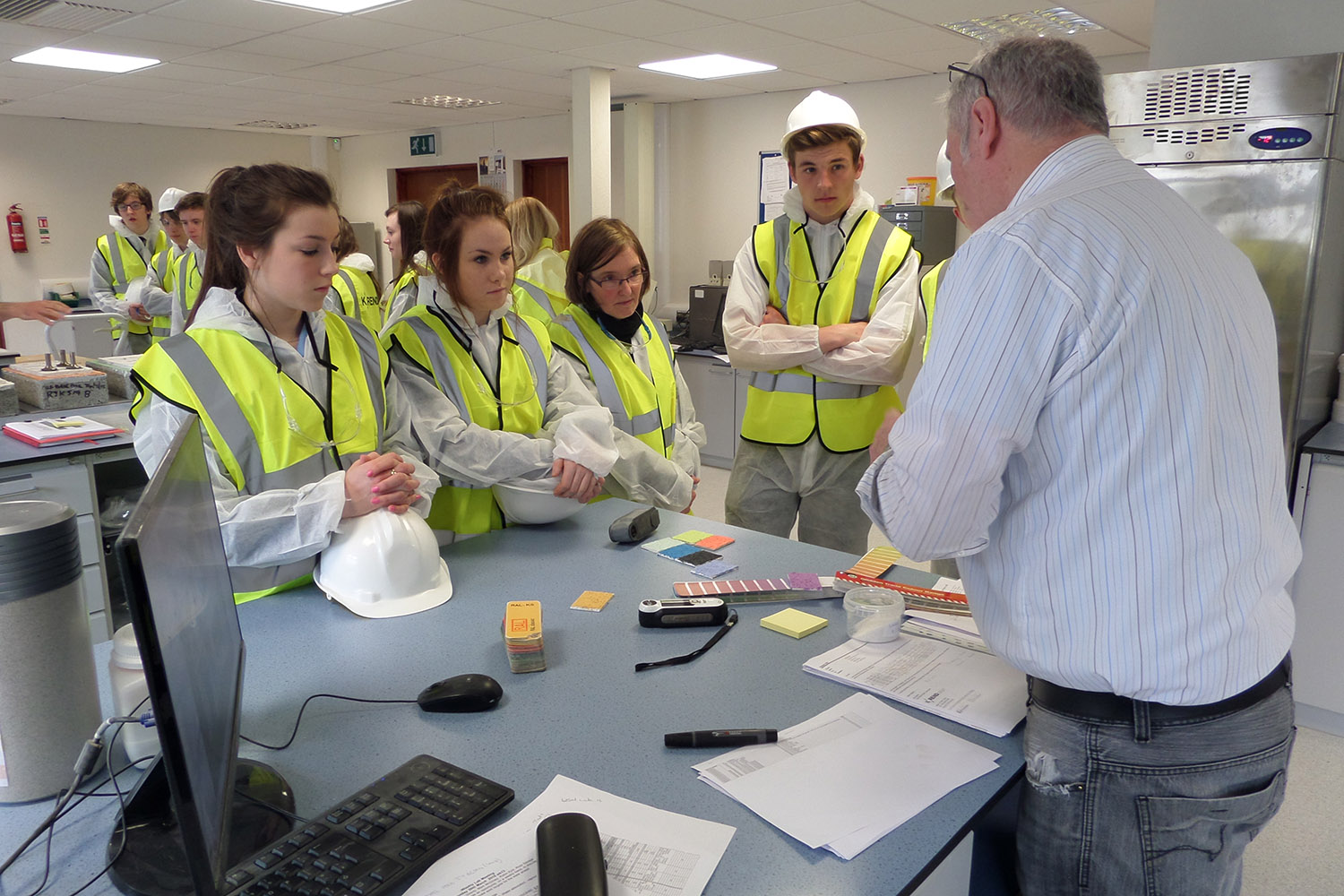
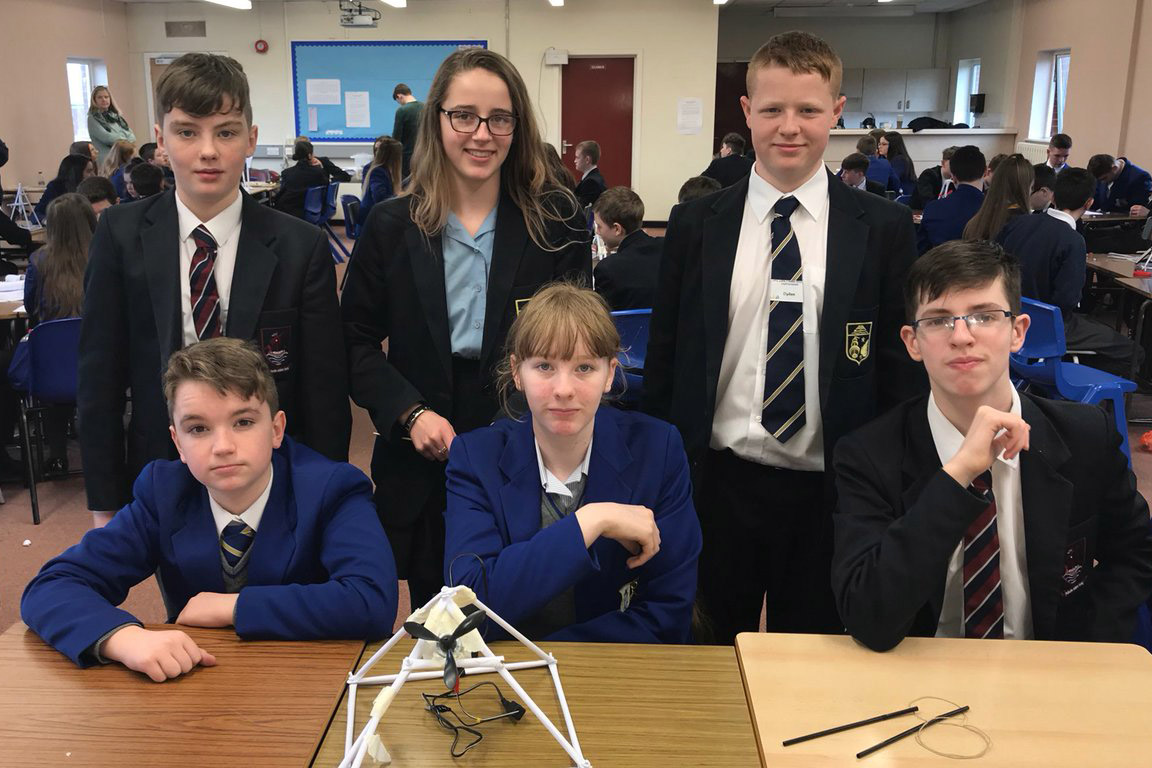
Larne High School is committed to offering effective Careers Education Information Advice and Guidance (CEIAG) to all pupils. This enables all pupils to make sound career choices based on their skills, qualities, aptitude and personal interests. Careers Education provides Larne High School pupils with career options whether they choose to seek employment after Year 12, Year 14 or after University.
Key transition interviews
Pupils are interviewed at key transition points in their school career. This includes year 10, where pupils are interviewed before GCSE choices are made and given guidance depending on the career path which they are to take.
Pupils are also interviewed after receiving their GCSE results and given guidance for A Level choices should they choose to come back to Sixth Form.
Career plan
During year 10, pupils are encouraged to create their own career plan. This is then discussed with the careers teacher and is used as part of the key transition interview in year 10.
Year 12 interviews
During the course of Year 12, pupils are interviewed by an external careers adviser. This interview provides information on employment opportunities, additional qualifications and routes into further and higher education.
Career visits and Conventions
All pupils from Years 8-14 will take part in either a career convention or visit. Some of these include:
Year 8: Study Skills Day
Year 9: Enterprise Skills Day
Year 10: Know your Job
Year 11: Armed Forces Talks
Year 12: Interviews
Year 13: University Visits
Year 14: University Visits
Careers Education is offered at Key Stage 3 through Employability and as part of the Learning for Life and Work provision in Key Stage Four. Not only is it important that pupils receive the right advice from teachers and career advisors, but it is equally important that parental support is also provided during the key transition times.
Prizes & awards
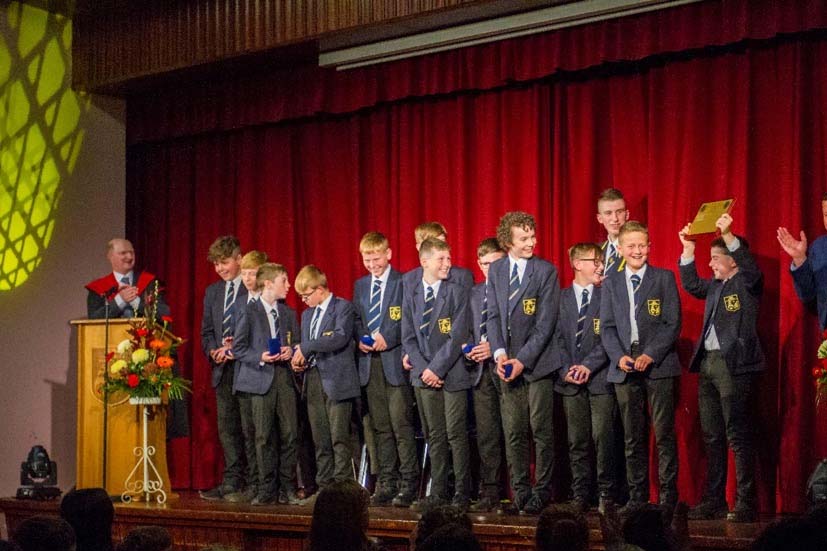
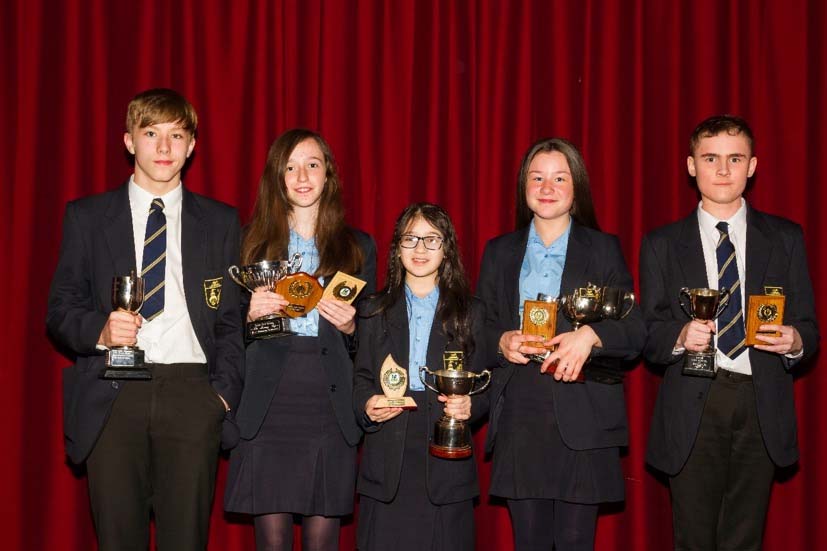
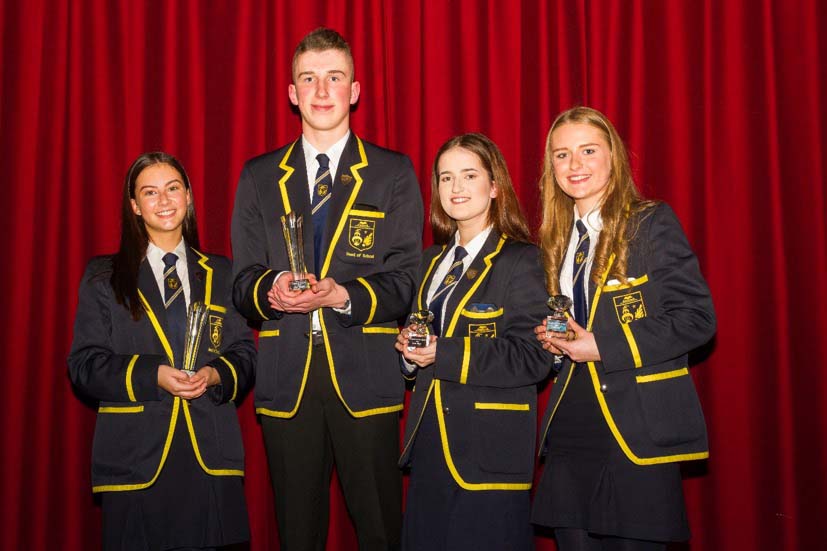
We believe that success should always be acknowledged and that it is highly motivational for pupils to be rewarded in this way. For some, success will be measured in terms of academic attainment but it is also the policy of the school to reward other forms of excellence, for example in endeavour, attendance, and participation in extracurricular activities.
The school holds an annual Prize Distribution, which marks the successes of many. In addition, throughout the year, others are rewarded in School or Year Assemblies by, for example, the presentation of certificates.